
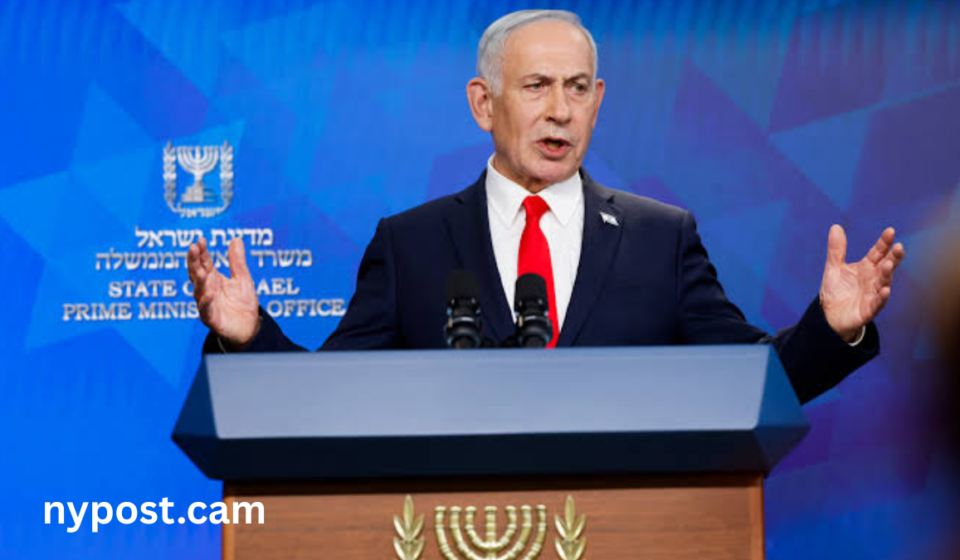

From Military Service to National Leadership
Benjamin Netanyahu has been one of the most recognisable figures in Israeli politics for decades. Born in Tel Aviv in 1949 and raised partly in Jerusalem and the United States, he developed a career that combined military service, diplomacy, business, and politics. His official Knesset biography records service in Sayeret Matkal, studies at MIT, work at Boston Consulting Group, and later diplomatic roles in Washington and at the United Nations.
Netanyahu first became prime minister in 1996, beginning a political career that would eventually make him Israel’s longest-serving prime minister. After leaving office in 1999, he returned to government as foreign minister and finance minister before becoming prime minister again in 2009. He remained in office through 2021, returned to the premiership in 2022, and continues to serve as prime minister in 2026.
That long record helps explain why Netanyahu remains central to discussions about Israel’s domestic politics and foreign relations. Supporters have pointed to his emphasis on national security, economic liberalisation, and international diplomacy, while critics have challenged various decisions made by his governments. Understanding those competing perspectives requires separating documented actions from political interpretations.
Netanyahu and Israel’s Security Policy
Security has been a defining theme of Netanyahu’s political career. His public record includes a longstanding focus on terrorism, Iran, military preparedness, and Israel’s relationships with strategic partners. His years in government have repeatedly been shaped by regional conflicts, negotiations, and debates over how Israel should respond to threats from armed groups and neighbouring states.
The war that followed the Hamas-led attacks of October 7, 2023, placed those security questions at the centre of international attention. Israel launched a major military campaign in Gaza, while Netanyahu’s government argued that dismantling Hamas and protecting Israeli citizens were essential objectives. Palestinian officials and international organisations have documented extensive civilian casualties and humanitarian suffering, while Israel has disputed aspects of casualty reporting and rejected accusations that its military campaign constitutes genocide.
In September 2026, Netanyahu also addressed the United Nations General Assembly as Israel faced continuing conflicts and diplomatic pressure. Reuters reported that dozens of delegates walked out during his speech, while the Israeli prime minister defended Israel’s conduct and rejected genocide allegations. The episode illustrated how security policy, international diplomacy, and domestic politics have become closely connected.
Netanyahu, Diplomacy, and International Relations
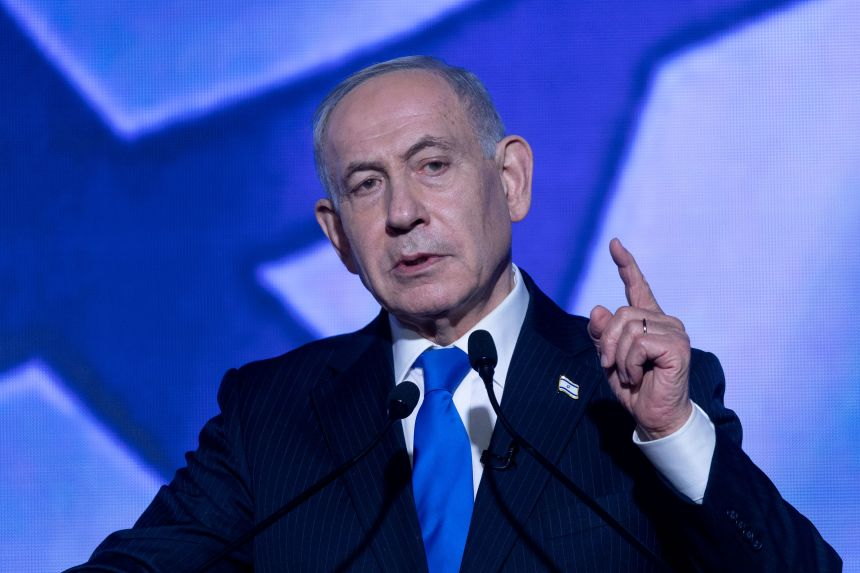
Netanyahu has spent much of his public life communicating with international audiences. Before entering the premiership, he served as Israel’s ambassador to the United Nations and as a diplomat in Washington. That experience helped establish the communication style that later became a recognisable part of his political identity.
The relationship between Israel and the United States has been particularly important during his years in office. Netanyahu has cultivated close ties with successive American administrations, although those relationships have not always been free of disagreement. In his September 2026 UN speech, he publicly praised President Donald Trump as an important partner while also facing criticism over Israel’s regional policies.
International relations have become more complicated during the Gaza war and the broader regional conflict. Reuters reported in September 2026 that Britain, France, and Canada had announced sanctions targeting Israeli settlements in the occupied West Bank, while Israel’s government disputed international criticism of its policies. These developments show the practical challenge facing Israeli diplomacy: maintaining strategic partnerships while responding to growing disagreement over military operations, settlements, and Palestinian rights.
Netanyahu and the 2026 Political Debate
Domestic politics are another major part of the current discussion. Israel is scheduled to hold legislative elections on October 27, 2026, and Netanyahu’s political coalition is facing a highly contested campaign. Reuters reported that opinion polling had placed his bloc behind competing political groupings at the time of its September 24 report. Polls are measurements of public opinion at particular moments, however, and do not determine the eventual election result.
Recent reporting has also focused on renewed scrutiny surrounding the October 7, 2023 security failure. A September 2026 investigation reported by Haaretz said that the president of the United Arab Emirates had warned Netanyahu about a potential Hamas operation before the attack. The report has prompted renewed political debate in Israel about responsibility and whether warnings were adequately acted upon. Those claims remain part of a contested public and political discussion.
The United Nations speech further demonstrated how international events can become part of domestic campaigning. The prime minister used the address to defend Israel’s actions, criticise opponents, and emphasise the country’s security challenges. Analysts quoted by international media interpreted the speech partly through the lens of Israel’s approaching election, while the prime minister’s own stated focus was defending Israel and countering what he described as misinformation.
Israel’s Prime Minister and Political Role
The leader’s importance is not limited to one policy area. His career touches Israel’s security strategy, economic policy, diplomacy, elections, and relations with the United States and other international actors. His supporters and opponents often disagree sharply about the meaning and consequences of those policies, making reliable sourcing especially important when discussing his record.
His economic record is another part of that history. During his period as finance minister in the early 2000s, he promoted reduced government spending, lower taxes, privatisation, and measures designed to encourage employment and private-sector growth. His official biography credits those reforms with helping restore economic growth, while independent assessments of economic policy can differ over their distributional effects and longer-term consequences.
For readers trying to understand the prime minister today, the broader historical context matters. His current political position is the result of decades of public service rather than a single event. At the same time, current controversies—from Gaza and the West Bank to the October 7 security debate and the upcoming election—continue to reshape how his leadership is discussed in Israel and abroad.
Frequently Asked Questions
1. Who is Israel’s prime minister?
He is an Israeli politician who has served multiple terms as prime minister. He has also held positions including foreign minister and finance minister and previously served as Israel’s ambassador to the United Nations.
2. How long has the prime minister been involved in Israeli politics?
He entered the Knesset in 1988 and became leader of the Likud in 1993. He first became prime minister in 1996 and has returned to the position during subsequent periods of his political career.
3. What issues are most associated with the prime minister?
Security, terrorism, Iran, Israel’s relationship with the United States, economic policy, and the Israeli-Palestinian conflict have been prominent themes throughout his political career.
4. Why is the prime minister in the news in 2026?
In September 2026, international coverage has focused on his UN address, the continuing regional conflicts, diplomatic pressure on Israel, renewed scrutiny of the October 7 security failure, and Israel’s upcoming October election.
5. What should readers consider when evaluating coverage of the prime minister?
Readers should distinguish verified events from political claims and commentary. Comparing primary documents, reputable reporting, official records, and multiple perspectives can provide a clearer picture than relying on a single political narrative.