


New York Post Sports has always carried a different kind of energy. From packed stadiums and historic rivalries to dramatic trades and unexpected performances, the city’s sports culture rarely stays quiet for long. Fans follow everything from professional leagues to college athletics, and they often want updates as soon as something happens. This is one reason new york post sports coverage continues to attract readers looking for timely stories, analysis, opinions, and breaking developments.
The appeal goes beyond scores. New York sports journalism covers the personalities, business decisions, coaching changes, injuries, rivalries, and off-field stories that shape the sporting landscape. A good sports report gives readers enough context to understand not only what happened but also why it matters.
For fans who follow several teams, new york post sports provides a convenient way to keep track of major developments across the city’s competitive sports scene. Whether the story involves a major league game, a promising young player, or a controversial decision, sports coverage helps turn individual events into a bigger picture.
Why New York Sports Attract So Much Attention
New York is home to one of the largest and most diverse sports audiences in the United States. Fans follow teams across baseball, basketball, football, hockey, soccer, and other competitions. The city’s long sporting history has created generations of supporters who care deeply about their teams and traditions. That passion gives new york post sports stories a naturally engaged audience.
Another reason New York sports receive so much attention is the size of the market. A major signing or coaching decision can become a national conversation within hours. Players and teams are regularly examined from multiple angles, while fans debate whether a particular move will improve a club’s chances during the season.
The intensity of the local fan base also makes sports journalism more than a simple record of results. Readers want explanations, statistics, interviews, reactions, and informed perspectives. New york post sports coverage can therefore serve different types of readers, from casual fans checking a headline to dedicated supporters following every development.
Following Teams, Players, and Major Sporting Events
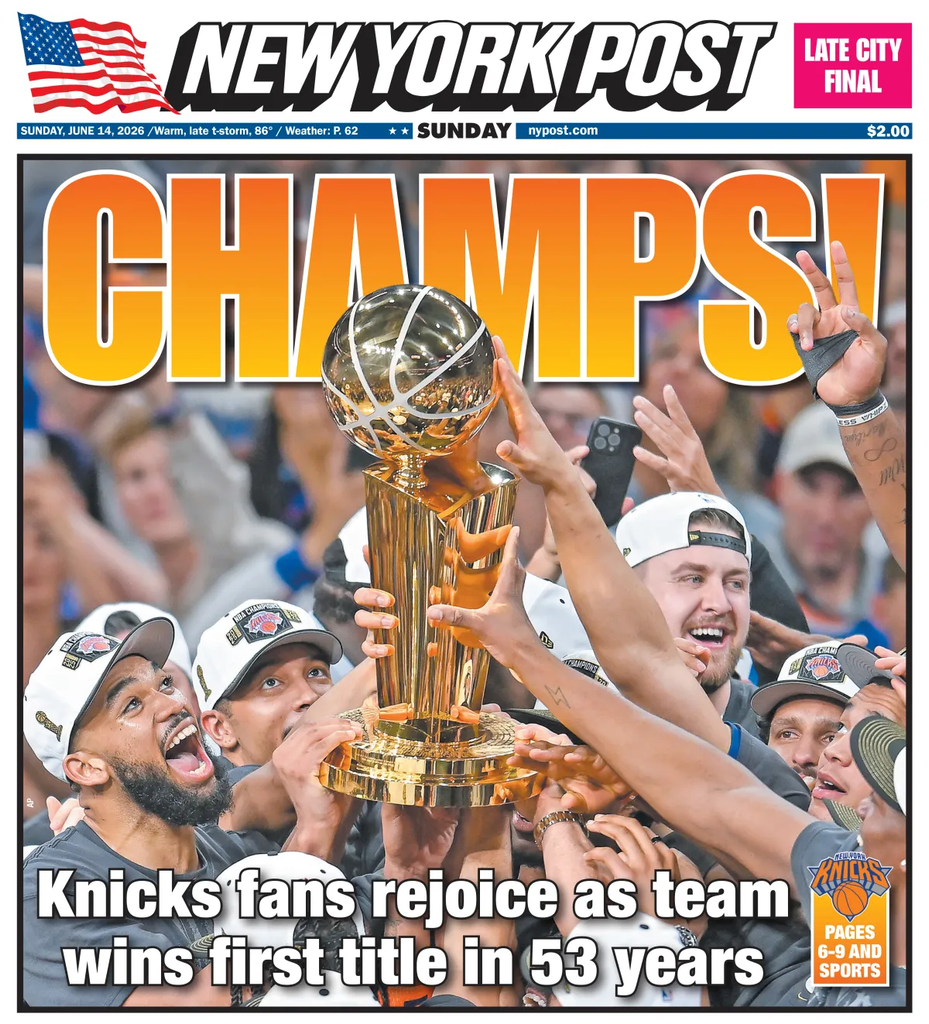
One of the biggest advantages of modern sports coverage is speed. A game can finish late at night, yet readers may immediately want to know what happened, who performed well, and what comes next. New york post sports coverage fits into this fast-moving environment by giving fans access to stories surrounding major games and events.
Player-focused reporting is particularly popular. Fans often become interested in an athlete’s statistics, career development, contract situation, injury status, or role within a team. A strong article puts those details into context instead of simply repeating a box score. This helps readers understand how an individual performance fits into the larger season.
Major events also create opportunities for deeper coverage. Playoff races, championship games, trade deadlines, draft selections, and rivalry matchups can change the direction of a team quickly. Through new york post sports, readers can follow these developments while also exploring the broader story behind them.
The Role of Analysis in Modern Sports Journalism
Sports reporting has changed significantly as audiences have gained access to more statistics and real-time information. Readers today can check scores on their phones within seconds, so traditional score reporting alone is rarely enough. What many readers want is context and analysis that explains the significance of an event.
Statistics can be particularly useful when they are presented clearly. A player’s shooting percentage, a team’s defensive record, or a quarterback’s completion rate may tell part of the story. However, numbers become more meaningful when they are connected to tactics, opponents, injuries, schedules, and recent form. This is where thoughtful new york post sports analysis can add value.
Opinion also has an established place in sports media, but good opinion writing should be distinguishable from straightforward reporting. Readers benefit when an article clearly separates confirmed information from interpretation. That approach makes sports coverage more credible while still allowing room for strong debate among fans.
How Digital Platforms Have Changed Sports Coverage
The internet has transformed the way people consume sports news. Instead of waiting for a morning newspaper or evening television broadcast, fans can follow developments throughout the day. Social media, mobile alerts, live blogs, podcasts, and digital articles have created a continuous news cycle.
This environment has also changed expectations for new york post sports readers. People increasingly want concise updates when something breaks, followed by detailed articles that provide additional context. A headline may attract attention, but useful reporting is what keeps readers engaged.
Digital publishing also allows sports stories to include statistics, photographs, videos, historical information, and related coverage. Readers can move from a game recap to a player profile or from a trade report to an analysis piece within seconds. This interconnected approach makes following a team’s entire season easier than ever.
Understanding the Business Behind New York Sports
Sports are not only about what happens on the field. Professional teams operate as major businesses, and financial decisions can influence everything from player recruitment to stadium development. Contracts, sponsorship agreements, broadcasting rights, ticket sales, and merchandise all contribute to the modern sports economy.
This business side often becomes part of new york post sports discussions when teams make significant roster decisions. A large contract, for example, can affect salary flexibility and future planning. Similarly, a trade may involve financial considerations that are not immediately obvious to casual fans.
Understanding these factors gives readers a more complete picture of professional sports. A team’s performance may depend on coaching and player ability, but long-term planning, ownership decisions, scouting, and financial management can also shape its future. Sports journalism helps connect those different pieces.
Why Reliable Sports Reporting Still Matters
The speed of digital media has created enormous opportunities, but it has also made accuracy more important. Rumours can spread quickly, especially around trades, injuries, and coaching changes. Readers need reporting that distinguishes confirmed information from speculation.
Reliable new york post sports coverage can help readers navigate this environment by providing verified details and relevant context. When information is still developing, responsible reporting should make that uncertainty clear instead of presenting an unconfirmed rumour as fact.
This matters because sports stories can influence how fans perceive players, coaches, and teams. A single headline can generate thousands of reactions online. Careful journalism gives readers the information they need to form their own opinions while reducing confusion caused by incomplete or misleading claims.
What Fans Can Expect From the Future of Sports Coverage
The future of sports journalism is likely to become even more interactive. Artificial intelligence, advanced statistics, personalised notifications, streaming platforms, and data visualisation are already changing how fans follow competitions. Readers can expect increasingly specialised coverage based on their favourite teams, players, and leagues.
At the same time, the fundamentals of good journalism are unlikely to disappear. Fans will still want accurate reporting, compelling stories, knowledgeable analysis, and access to information they can trust. The technology may change, but the basic demand for useful sports coverage remains strong.
For readers following new york post sports, this evolution means there will be more ways to experience the stories they care about. From quick mobile updates to long-form analysis, modern sports media can serve different preferences without losing sight of the human element that makes sports compelling.
FAQs About New York Post Sports
1. What does new york post sports cover?
New york post sports covers a broad range of sporting stories, including professional teams, athletes, games, trades, injuries, analysis, and other developments connected to the New York sports scene.
2. Why is New York sports coverage so popular?
New York has a large and passionate sports audience, with fans following multiple professional teams and leagues. The city’s history, rivalries, major market, and strong fan culture contribute to sustained interest.
3. Is sports journalism only about game results?
No. Modern sports journalism can include game coverage, player profiles, statistics, interviews, business developments, coaching decisions, historical context, and analysis of important events.
4. How can readers evaluate sports information online?
Readers should consider the source, check whether claims are confirmed, look for supporting details, and distinguish reported facts from rumours or opinions. This is especially important when stories are developing quickly.
5. Why does sports analysis matter to fans?
Analysis adds context to basic results. It can explain tactical decisions, player performances, statistical trends, roster changes, and other factors that help readers understand the significance of what happened during a game or season.
Final Thoughts
The New York sports scene is constantly changing, which gives journalists and readers plenty to discuss. From major games and player performances to business decisions and emerging talent, every season produces stories that extend beyond the final score.
For fans looking to follow these developments, new york post sports remains part of a wider digital sports ecosystem where speed, context, and reliable reporting all matter. The strongest sports coverage does more than announce what happened—it explains the story behind the result and gives readers useful information they can carry into the next game, season, or major sporting moment.