


Palestine is a land known for its deep historical roots, rich cultural traditions, and remarkable significance to millions of people around the world. Located in the eastern Mediterranean region, it has been home to ancient civilisations, important religious landmarks, historic cities, and diverse communities for thousands of years. Its story is closely connected to the development of major religions, regional trade, art, architecture, and modern history.
Beyond its historical importance, Palestine is also a place of living traditions, family connections, local cuisine, and a strong sense of cultural identity. From the historic streets of Jerusalem to the coastal atmosphere of Gaza and the rolling hills of the West Bank, each area has its own character and experiences worth exploring.
The Historical Background of Palestine
The history of Palestine stretches back thousands of years. Its geographical position between Africa and Asia made it an important crossroads for ancient trade routes, migration, and cultural exchange. Over the centuries, different civilisations and empires influenced the region, leaving behind archaeological sites, historic buildings, and traditions that remain visible today.
Ancient cities such as Jericho are particularly important to understanding the region’s past. Jericho is widely recognised as one of the world’s oldest continuously inhabited settlements. Archaeological discoveries in the area reveal evidence of early communities, agriculture, and organised settlement, offering valuable insight into the development of human civilisation.
During later centuries, Palestine came under the influence of several major powers, including the Roman, Byzantine, Islamic, and Ottoman empires. Each period contributed to its political, religious, and architectural landscape. The region also experienced significant changes during the British Mandate period and the events surrounding the establishment of Israel in 1948, which resulted in mass Palestinian displacement and an enduring refugee issue.
Palestinian Culture and Traditional Heritage
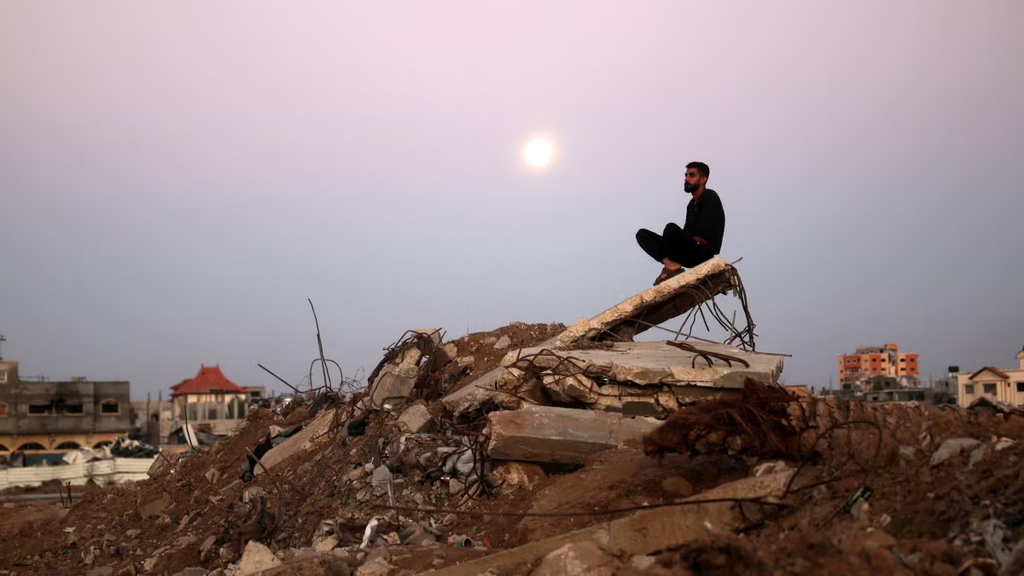
Palestinian culture reflects generations of history, regional diversity, and strong community relationships. Traditional clothing, music, embroidery, storytelling, and family celebrations all play important roles in preserving cultural identity. These customs are passed from one generation to another, connecting younger Palestinians with their heritage.
One of the most recognisable cultural traditions is tatreez, the traditional Palestinian embroidery. Its distinctive patterns and colours often reflect regional origins, family traditions, and artistic expression. Historically, embroidered dresses were worn during important occasions, and the craft continues to be practised by artisans and cultural organisations today.
Music and dance are also central to Palestinian celebrations. Dabke, a traditional group dance performed at weddings and festivals, involves coordinated steps, rhythmic movement, and lively music. Alongside traditional instruments and folk songs, dabke provides an opportunity for communities to celebrate shared identity and maintain cultural connections.
Famous Cities and Historical Landmarks
Palestine is home to cities and landmarks with considerable historical, cultural, and religious importance. Jerusalem is among the most significant, particularly because of its importance to Islam, Christianity, and Judaism. The Old City features historic religious sites, traditional markets, ancient stone streets, and architecture reflecting different historical periods.
Bethlehem is another well-known destination, widely associated with the traditional birthplace of Jesus Christ. The Church of the Nativity is one of its most prominent landmarks and attracts pilgrims and visitors from many countries. The city’s historic centre also features local shops, cultural spaces, and traditional Palestinian crafts.
The West Bank includes other notable destinations such as Hebron, Nablus, and Jericho. Hebron is recognised for its historic architecture and traditional glass and pottery crafts. Nablus is famous for its old markets and traditional sweets, especially knafeh. These cities demonstrate how daily life, commerce, craftsmanship, and historical heritage remain closely connected throughout the region.
Palestinian Food and Traditional Cuisine
Food is an essential part of Palestinian culture, bringing families and communities together through shared meals and traditional recipes. Palestinian cuisine uses ingredients such as olive oil, fresh vegetables, grains, herbs, legumes, and seasonal produce. Recipes often vary between cities, villages, and regions, creating a diverse culinary landscape.
Musakhan is one of the best-known traditional Palestinian dishes. It typically consists of roasted chicken served over flatbread with caramelised onions, sumac, and generous amounts of olive oil. The dish is particularly associated with the agricultural traditions of the region and highlights the importance of local ingredients.
Other popular foods include maqluba, a layered rice dish prepared with vegetables and meat, and maftoul, a traditional wheat-based dish often served with chickpeas and broth. Palestinian desserts are equally distinctive. Knafeh, particularly associated with Nablus, combines cheese or cream with shredded pastry, syrup, and sometimes pistachios. These dishes offer a meaningful way to experience Palestinian hospitality and culinary heritage.
Geography, Nature, and the Environment
The geography of Palestine includes coastal landscapes, agricultural plains, hills, valleys, and areas with distinctive desert environments. This variety influences local lifestyles, farming practices, settlement patterns, and regional food traditions. The West Bank, for example, contains mountainous terrain, olive groves, and agricultural communities that have depended on the land for generations.
Olive trees have particular cultural and economic significance. Olive cultivation supports many Palestinian farming families and forms an important part of traditional agricultural life. The annual olive harvest is not only an economic activity but also a family and community tradition, with people gathering to collect olives and prepare them for pressing.
The region also contains areas of ecological importance, including natural springs, valleys, and habitats for different plant and animal species. Environmental challenges, water access, land pressures, and urban development affect local communities and conservation efforts. Understanding these geographical and environmental factors helps explain the relationship between Palestinian communities and their surroundings.
Modern Palestine and Everyday Life
Modern Palestinian society combines long-standing traditions with contemporary education, technology, entrepreneurship, and creative industries. Palestinian communities have developed cultural initiatives, businesses, universities, and artistic projects that contribute to social and economic life despite significant political and economic challenges.
Education holds an important place in many Palestinian families. Universities and schools provide opportunities for students to study subjects ranging from medicine and engineering to literature, business, and information technology. Palestinian writers, filmmakers, journalists, and artists also contribute to international discussions about identity, history, society, and everyday experiences.
At the same time, political circumstances and movement restrictions have affected employment, travel, infrastructure, and access to essential services in different parts of the Palestinian territories. The situation varies considerably between the West Bank, East Jerusalem, and Gaza. These differences are important when discussing modern Palestinian life, as the experiences of individuals and communities are not identical.
Why Palestinian Heritage Matters Today
Preserving Palestinian heritage is important for maintaining cultural continuity and protecting historical knowledge. Traditional crafts, historic buildings, oral histories, music, and family traditions provide connections between past and present generations. Cultural preservation also allows people outside the region to learn about its history through authentic community experiences.
Museums, cultural centres, educational projects, and local artisans contribute to this work. Embroidery cooperatives, historical archives, traditional music programs, and heritage festivals help document and share cultural practices. Digital platforms have also created opportunities for artists and historians to reach international audiences.
Learning about Palestine through its history, culture, food, geography, and people encourages a broader understanding of the region. Rather than focusing exclusively on political developments, exploring everyday traditions and historical achievements reveals the complexity and diversity of Palestinian society.
Frequently Asked Questions
1. Where is Palestine located?
Palestine is located in the eastern Mediterranean region. The Palestinian territories generally refer to the West Bank, including East Jerusalem, and the Gaza Strip.
2. What is Palestine famous for?
Palestine is known for its historical cities, religious landmarks, traditional embroidery, olive cultivation, distinctive cuisine, and rich cultural heritage.
3. What languages are spoken in Palestine?
Arabic is the primary language spoken by Palestinians. English is also widely studied and used in education, business, tourism, and international communication.
4. What are some traditional Palestinian foods?
Popular Palestinian dishes include musakhan, maqluba, maftoul, hummus, and knafeh. Many recipes feature olive oil, fresh herbs, grains, vegetables, and regional spices.
5. Why is Palestinian history important?
Palestinian history is important because the region has been a centre of ancient civilisations, religious traditions, cultural exchange, and significant modern historical developments. Studying its past helps provide context for understanding its present-day society and regional importance.