
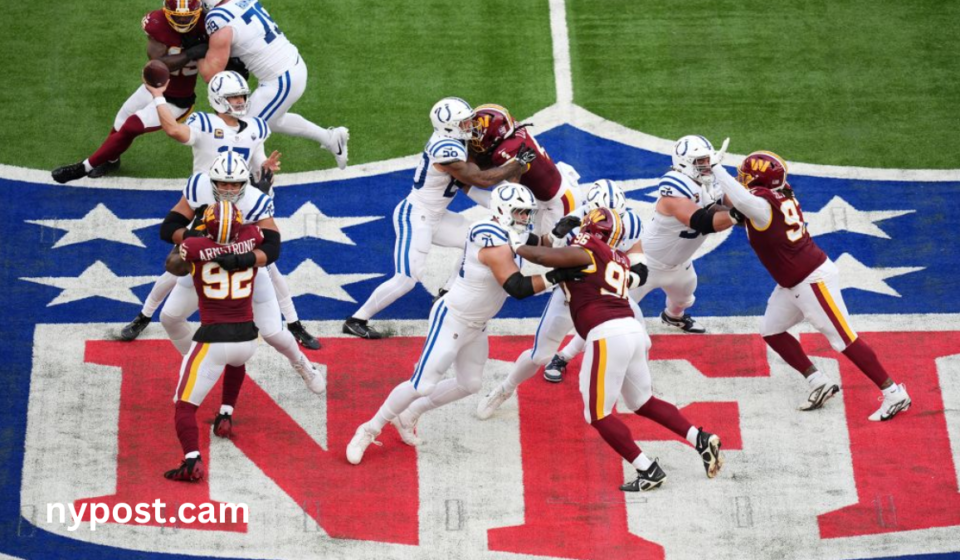

Few sports combine strategy, athleticism, tradition, and entertainment quite like NFL football. From packed stadiums and intense rivalries to dramatic fourth-quarter comebacks, professional football has developed into one of the most followed sports in the United States and around the world. What looks like a simple battle of strength and speed is actually a highly calculated game involving coaching decisions, player development, tactical adjustments, and precise execution.
For newcomers, understanding the basic structure of the sport can make watching games much more enjoyable. For longtime fans, looking deeper into offensive schemes, defensive strategies, player roles, and game management can reveal why certain teams consistently perform at a high level.
Understanding the Basics of NFL Football
At its core, NFL football is a contest between two teams trying to score more points than their opponent. Each team has 11 players on the field at a time, with one team generally controlling the ball on offence while the other attempts to stop them on defence. Special teams units handle kickoffs, punts, field goals, and extra-point attempts.
The offence has four downs to advance the ball at least 10 yards. Successfully gaining those 10 yards earns another set of four downs. Teams can move the ball through running plays, passes, or combinations of both. If an offence cannot make enough progress, it may choose to punt or attempt a field goal depending on its position on the field.
Scoring can happen in several ways, with a touchdown being the most valuable standard scoring play. A touchdown occurs when a player carries the ball into the opponent’s end zone or catches a pass there. Field goals, extra points, and safeties provide additional scoring opportunities, which means a team must constantly balance aggression with field position.
Why Strategy Matters So Much
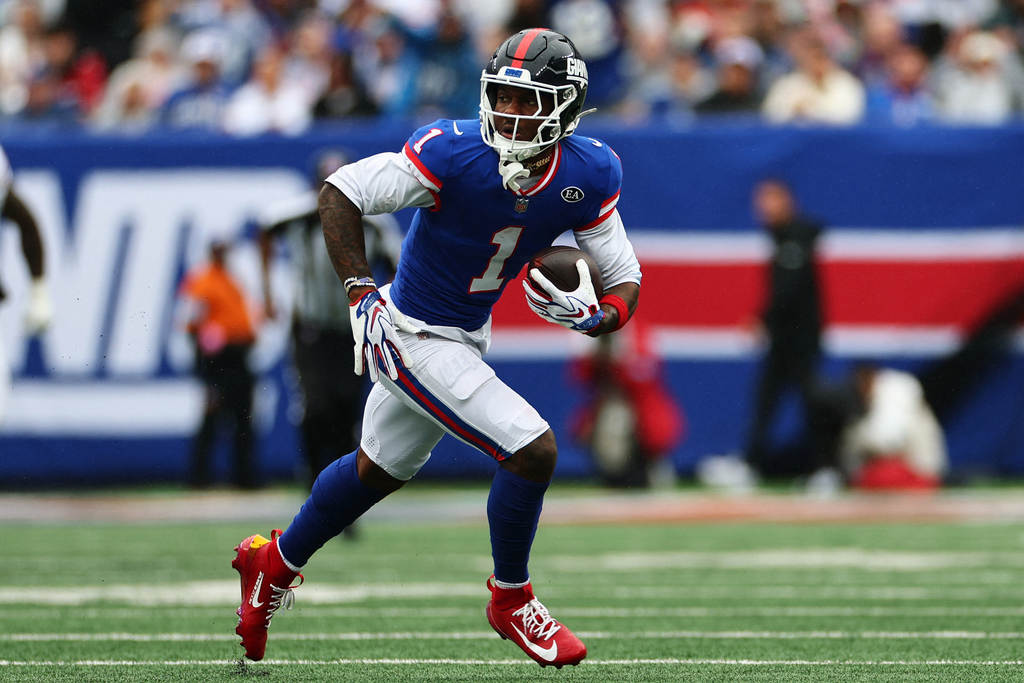
One of the most fascinating aspects of NFL football is the strategic battle between coaches. Every play begins with a plan, but successful teams understand that the situation can change within seconds. Coaches must consider the score, remaining time, field position, down and distance, personnel, and tendencies of the opposing team.
Offensive coordinators design plays intended to create openings for quarterbacks, running backs, receivers, and tight ends. A strong running game can force defenders closer to the line of scrimmage, potentially creating opportunities for longer passes. Conversely, an effective passing attack can make defenders play deeper, giving running backs more room underneath.
Defensive coordinators face an equally complicated challenge. They may use different formations and coverage concepts to confuse quarterbacks and disrupt offensive timing. Blitzes can create pressure but also leave defenders exposed. Conservative defensive schemes may reduce big-play opportunities while allowing shorter gains. The best defences know when to change their approach.
The Importance of the Quarterback
The quarterback naturally receives enormous attention in NFL football, and for good reason. The position requires a combination of physical ability, decision-making, leadership, communication, and mental preparation. Quarterbacks are responsible for understanding the offensive plan and making rapid decisions once the play begins.
A quarterback may need to identify defensive formations before the snap, adjust the play, read multiple defenders, and deliver the football accurately while facing pressure. These decisions often happen within a few seconds. A small mistake can result in an interception, lost yardage, or a turnover at a critical moment.
However, football is never truly a one-player sport. Even an excellent quarterback depends on offensive linemen protecting him, receivers getting open, running backs contributing to the offence, and coaches putting the team in favourable situations. This balance is one reason team construction remains so important.
Defense Can Change the Entire Game
Strong defense has always been a major part of NFL football. While offensive highlights often attract the most attention, defensive players can completely change the direction of a game. A sack, interception, forced fumble, or goal-line stop can provide a team with momentum when it needs it most.
Defensive linemen focus heavily on controlling the line of scrimmage and putting pressure on the quarterback. Linebackers often have responsibilities involving both rushing and coverage. Defensive backs must defend receivers, recognise passing routes, and prevent explosive plays.
Modern defensive football also requires adaptability. Offences use motion, multiple formations, and creative personnel packages to create mismatches. Defences therefore need players who can perform several roles rather than simply specialising in one responsibility. Communication is particularly important because one missed assignment can turn an ordinary play into a huge gain.
The Role of Coaching and Preparation
Behind every successful NFL football team is an enormous amount of preparation. Coaches study game film, analyse opponents, develop weekly game plans, and identify areas where their own team can improve. Players spend countless hours practising plays and understanding their assignments.
Preparation becomes especially important when teams face opponents with contrasting styles. A team that relies heavily on running the ball may force an opponent to emphasise stopping the run. Another team might have an explosive passing attack that requires defensive backs to play with discipline throughout the game.
In-game adjustments are equally valuable. The first quarter may reveal weaknesses that were not obvious during preparation. Coaches who recognise those patterns quickly can change formations, play selection, defensive coverage, or personnel usage. Sometimes the team that makes the better adjustment rather than the team with the better initial plan comes away with the victory.
Why Fans Remain Passionate About the Sport
The popularity of NFL football extends far beyond what happens between the lines. Football creates traditions that connect generations of families and communities. Fans wear team colours, attend games together, follow player news, debate coaching decisions, and build friendships around theirfavouritee teams.
Rivalries add another layer of excitement. Games between historic rivals often carry emotional significance regardless of the teams’ records. A struggling team can still produce a memorable performance against a rival, which is part of what makes professional football unpredictable.
The sport also creates memorable moments that remain part of its history. Dramatic catches, last-second field goals, defensive stops, overtime victories, and remarkable comebacks become stories that fans discuss for years. That combination of uncertainty and tradition keeps people coming back every season.
How Technology Is Changing the Game
Technology has become increasingly important in NFL football. Coaches and players now have access to detailed performance information that can help identify strengths, weaknesses, and tendencies. Video analysis allows teams to examine individual plays from numerous angles and prepare specifically for upcoming opponents.
Technology also influences how fans experience games. Modern broadcasts provide advanced statistics, multiple camera angles, instant replays, and detailed player information. These features make it easier for viewers to understand what happened during complicated plays.
At the same time, technology has not replaced the human element of the sport. Coaches still have to make decisions under pressure, and players still have to execute those decisions. Data can provide useful information, but football ultimately depends on people making smart choices at the right time.
What Makes a Successful Team?
Building a successful NFL football team requires much more than collecting talented players. Teams need depth because injuries are an unavoidable part of a physically demanding season. They also need strong coaching, effective leadership, reliable special teams, and players who understand their individual responsibilities.
Team chemistry can be equally important. Players who trust one another tend to communicate better and remain composed during difficult situations. A talented roster without discipline can struggle, while a well-coached team with clearly defined roles can exceed expectations.
Consistency is another major factor. Championship-calibre teams generally perform well in different situations rather than depending on one specific formula. They can win high-scoring games, survive defensive battles, respond to adversity, and execute late in close contests.
The Future of Professional Football
The future of NFL football will likely continue to involve changes in strategy, technology, player development, and fan engagement. Teams are constantly searching for new ways to gain an advantage, while league officials evaluate rules and procedures as the sport evolves.
Young players entering professional football are also becoming increasingly versatile. Athletes are expected to understand multiple responsibilities and adapt to complex schemes. This evolution could produce even more creative offensive and defensive systems in the coming years.
Despite these changes, the fundamentals remain familiar. Blocking, tackling, throwing, catching, running, preparation, and teamwork continue to determine what happens on the field. The technology may change, but the competitive heart of the sport remains remarkably traditional.
Frequently Asked Questions
1. What is NFL football?
NFL football is professional American football played by teams competing in the National Football League. The objective is to score more points than the opposing team through touchdowns, field goals, extra points, and other scoring plays.
2. How many teams play in the NFL?
The National Football League consists of 32 teams divided into two conferences: the American Football Conference and the National Football Conference. Each conference contains four divisions.
3. How long is an NFL game?
A regulation game consists of four quarters, each lasting 15 minutes of game time. However, the actual viewing time is considerably longer because the clock stops for various situations, including incomplete passes, certain plays ending out of bounds, timeouts, and other stoppages.
4. What is the most important position in football?
There is no single position that guarantees success. Quarterbacks have significant responsibilities, but offensive linemen, defensive players, receivers, running backs, special teams players, and coaches all contribute to winning games.
5. Why is NFL football so popular?
Its popularity comes from a combination of strategy, athletic competition, tradition, rivalries, entertainment, and unpredictability. Every game can produce unexpected results, which gives fans plenty of reasons to stay engaged throughout the season.