
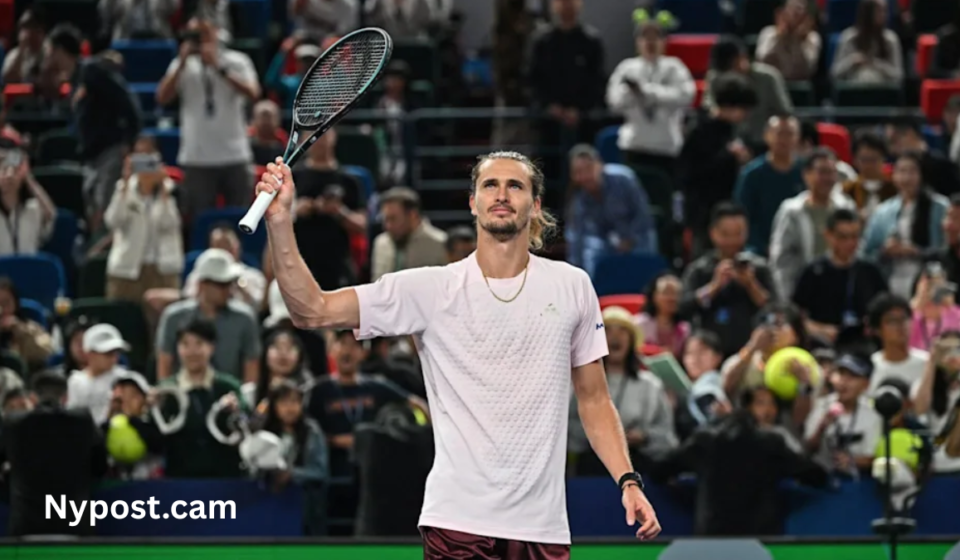

Alexander Zverev, widely known as Zverev, is one of the most recognisable names in modern professional tennis. The German star has built a reputation through his powerful serve, aggressive baseline game, and ability to compete against the world’s best players. His performances in major tournaments have attracted tennis fans who appreciate his athleticism, determination, and competitive spirit.
From his early development as a promising young player to his position among the leading names on the ATP Tour, Zverev has experienced remarkable victories and challenging setbacks. His career illustrates the demands of professional tennis, where technical skill, physical conditioning, and mental strength must work together. Understanding his journey provides a closer look at what makes him such an important figure in the sport.
Early Life and Introduction to Tennis
Alexander Zverev was born on April 20, 1997, in Hamburg, Germany. He grew up in a family with a strong connection to tennis, which played a significant role in shaping his future. His parents, Irina and Alexander Zverev Sr., were involved in the sport, while his older brother, Mischa Zverev, also pursued a professional tennis career. This environment gave him early exposure to competitive tennis and professional training.
As a child, Zverev developed his skills through regular practice and junior competitions. His family supported his progress, helping him understand the discipline required to succeed at a high level. Rather than relying on natural talent alone, he learned the importance of movement, timing, and consistent preparation. These foundations later became essential elements of his professional game.
His success as a junior player helped establish him as a prospect worth watching. Zverev won the boys’ singles title at the 2014 Australian Open, demonstrating that he could perform under pressure against talented opponents. That achievement strengthened expectations surrounding his future and provided valuable experience before his transition into the demanding world of senior professional tennis.
Professional Career and Major Breakthroughs

Zverev made rapid progress after entering professional tennis. His combination of height, reach, and court coverage allowed him to challenge established players, while his powerful groundstrokes made him dangerous from the baseline. Winning matches against experienced opponents helped him build confidence and gain valuable ranking points during the early stages of his career.
One of his most important milestones arrived in 2017, when he won two ATP Masters 1000 titles in Rome and Montreal. These tournaments feature many of the strongest players in men’s tennis, so winning both demonstrated that Zverev could compete successfully at the highest level. His victories also confirmed that he was more than a promising young athlete; he was becoming a serious contender for major championships.
Another defining achievement came at the 2018 ATP Finals in London, where Zverev defeated Novak Djokovic in the final. The tournament brings together many of the season’s top performers, making the title particularly prestigious. His victory showed that he could manage the pressure of an elite championship and defeat one of the sport’s most accomplished players when the stakes were high.
Playing Style and On-Court Strengths
The serve is one of Zverev’s greatest weapons. His height helps him create steep serving angles, while his ability to generate pace makes it difficult for opponents to attack his first delivery. A strong serve can produce direct points or weak returns, allowing him to control the next shot. This advantage becomes especially valuable on faster courts and during important moments in close matches.
His two-handed backhand is another major strength. Zverev can hit it with depth, pace, and direction, making it effective both defensively and offensively. From the baseline, he often uses the shot to move opponents around the court and create opportunities to attack. His forehand adds further power, although consistency and shot selection can become important factors when rallies grow intense.
Despite his aggressive approach, Zverev also relies on movement and defensive ability. He can cover considerable ground and extend rallies against powerful opponents. His overall game combines physical advantages with tactical awareness, allowing him to adapt to different playing conditions. Improving consistency, managing errors, and maintaining concentration during crucial points remain important aspects of performing well against the strongest competition.
Grand Slam Performances and Olympic Success
Grand Slam tournaments represent the biggest challenges in professional tennis because they require players to win seven matches in a best-of-five-set format. Zverev has repeatedly reached the later rounds at these events, demonstrating his ability to maintain a high standard over extended competition. However, converting deep runs into a major singles championship has been one of the central challenges of his career.
At the 2020 US Open, Zverev reached his first Grand Slam singles final. He faced Dominic Thiem in a dramatic match that went to five sets. Zverev took an early lead but ultimately lost after a closely contested finish. Although the defeat was disappointing, the performance established him as a genuine contender for the sport’s biggest titles and provided experience that could inform future appearances.
Zverev also achieved international success at the Tokyo 2020 Olympic Games, held in 2021 because of the pandemic. He won the men’s singles gold medal after defeating Novak Djokovic in the semifinals and Karen Khachanov in the final. The victory was a landmark moment for German tennis and demonstrated his ability to deliver under immense pressure while representing his country.
Challenges, Comebacks, and Mental Strength
Professional tennis careers rarely follow a straight path, and Zverev has experienced his share of difficulties. Injuries can disrupt training schedules, reduce match fitness, and make it harder to maintain consistent results across a long season. Recovering successfully requires patience, appropriate rehabilitation, and careful management of physical demands rather than rushing back to competition.
His ankle injury at the 2022 French Open was a particularly significant setback. Zverev was competing against Rafael Nadal in the semifinals when he suffered a serious injury and had to retire from the match. The incident interrupted a strong tournament run and required substantial recovery work. Returning to elite competition afterwards tested his physical resilience and determination.
Mental strength is equally important in Zverev’s career. Close matches can turn on a handful of points, and players must respond quickly after mistakes or missed opportunities. Learning to remain composed, trust established patterns, and make sensible decisions under pressure can influence long-term success. His continued participation at the highest level reflects the persistence required to rebuild momentum after setbacks.
What Makes Zverev Important to Modern Tennis?
Zverev represents a generation of players who have challenged the long-standing dominance of established champions. His height and power offer a different combination of strengths from those of shorter, more movement-focused players, illustrating the variety of approaches that can succeed in modern tennis. His performances also show how physical conditioning and technical development influence competition at the highest level.
For younger players, his career offers practical lessons about preparation and adaptability. Strong serving and powerful groundstrokes can create opportunities, but consistent results also depend on movement, fitness, tactical flexibility, and decision-making. Developing several reliable strengths is often more effective than depending on one spectacular shot.
Fans continue to follow Zverev because his matches frequently involve high-quality rallies and demanding contests against elite opponents. His experience, competitive record, and ability to challenge leading players make him a significant presence on the ATP Tour. Future achievements will depend on his health, consistency, and ability to perform when major opportunities arise.
Frequently Asked Questions About Zverev
1. Who is Zverev in professional tennis?
Zverev usually refers to Alexander Zverev, a German professional tennis player known for his powerful serve, strong backhand, ATP Masters 1000 titles, and Olympic singles gold medal.
2. When was Alexander Zverev born?
Alexander Zverev was born on April 20, 1997, in Hamburg, Germany. He grew up in a tennis-focused family and began developing his skills at a young age.
3. Has Zverev won an Olympic gold medal?
Yes. Zverev won the men’s singles gold medal at the Tokyo 2020 Olympic Games, held in 2021, defeating Karen Khachanov in the final.
4. What is Zverev’s strongest tennis shot?
His two-handed backhand and powerful serve are widely considered major strengths. Both help him control baseline rallies, create attacking opportunities, and put opponents under pressure.
5. Has Zverev reached a Grand Slam final?
Yes. He reached the US Open men’s singles final in 2020, where he lost to Dominic Thiem in five sets. He has also reached the final of the French Open, continuing his pursuit of a major singles title.
Conclusion
Alexander Zverev has established himself as a leading figure in professional tennis through major tournament victories, Olympic success, and sustained competition against elite opponents. His powerful serve, reliable backhand, and determination have helped him overcome difficult challenges throughout his career. While Grand Slam success remains an important part of his sporting story, his achievements already demonstrate his ability to compete at the highest level. As his career continues, tennis fans will be watching to see how he builds on his experience and pursues further milestones in the sport.