
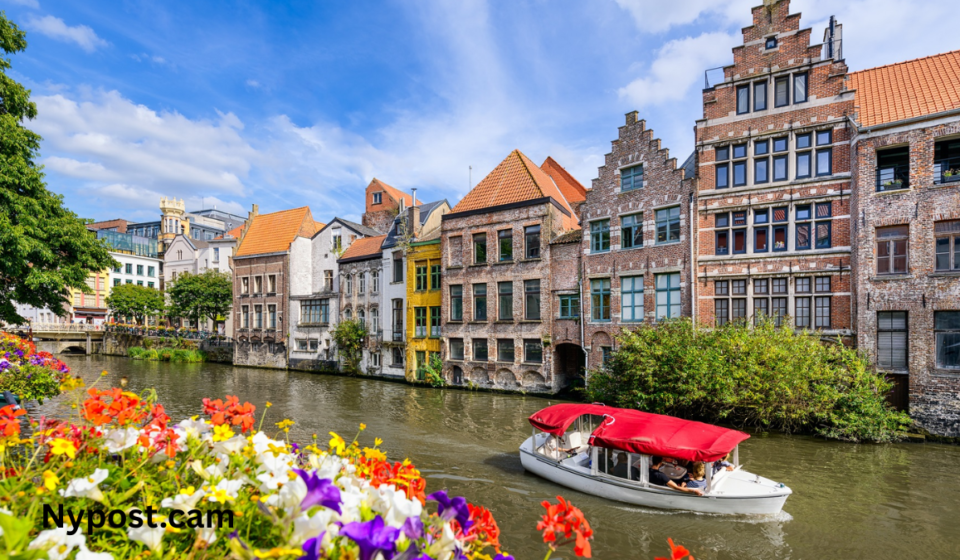

Belgium is a fascinating European country known for its historic cities, delicious chocolate, world-famous waffles, medieval architecture, and rich cultural traditions. Located in Western Europe, Belgium combines old-world charm with modern innovation, making it an appealing destination for tourists, students, business professionals, and history enthusiasts. Despite its relatively small size, the country offers remarkable diversity in its languages, landscapes, cuisine, and local customs.
From the picturesque canals of Bruges to the lively streets of Brussels, Belgium provides countless opportunities to explore European history and contemporary life. Its central location also makes it an important gateway for travelers exploring neighboring countries. Understanding Belgium’s culture, attractions, and lifestyle helps visitors appreciate why this destination continues to attract international attention.
Belgium’s Location and Geographic Features
Belgium shares borders with France, Germany, Luxembourg, and the Netherlands, placing it at the heart of Western Europe. Its strategic location has influenced its history, economy, and cultural identity for centuries. The country also has a short coastline along the North Sea, offering seaside towns and sandy beaches for visitors seeking a different experience from its historic urban centers.
Although Belgium covers a relatively small area, its geography varies across three main regions. Flanders in the north is generally characterized by flatter landscapes, historic towns, and coastal areas. Wallonia in the south features forests, rolling hills, and the scenic Ardennes region, which attracts hikers, cyclists, and nature lovers. Brussels, located in the central part of the country, serves as the national capital and an important international center.
Belgium’s climate is typically temperate, with mild summers, cool winters, and rainfall throughout the year. Weather conditions can change quickly, so travelers benefit from carrying a light waterproof jacket. Spring and early autumn are particularly pleasant times to explore the country’s cities and countryside without relying entirely on indoor attractions.
The History and Cultural Heritage of Belgium
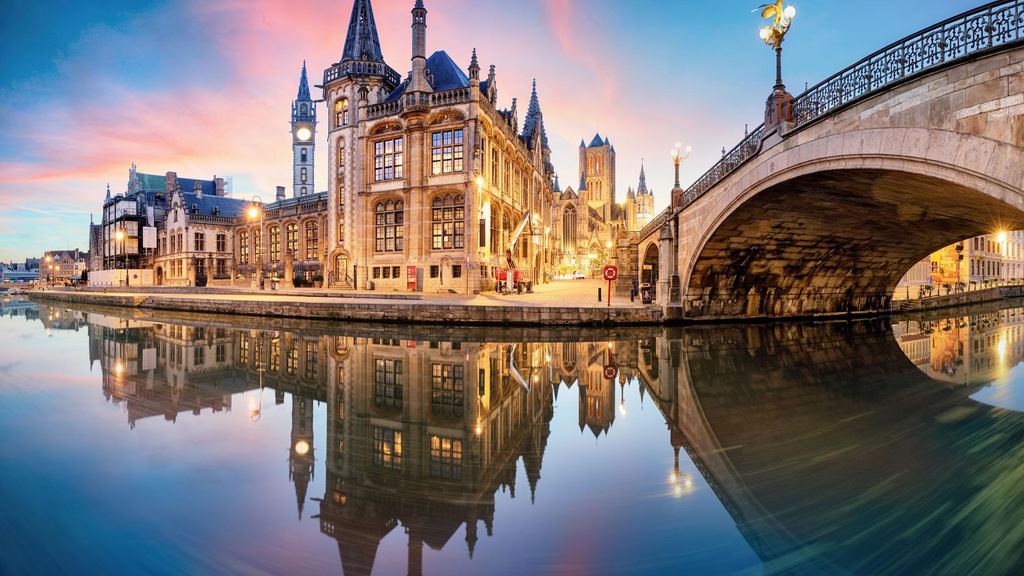
Belgium has a complex history shaped by European trade, regional rivalries, artistic movements, and political change. For centuries, cities across the region developed into important commercial centers, attracting merchants, craftspeople, and artists. Their prosperity helped create the impressive market squares, guild houses, churches, and public buildings that remain visible today.
The country became independent in 1830 after separating from the United Kingdom of the Netherlands. Since then, Belgium has developed into a constitutional monarchy with a parliamentary system. Its history also reflects the challenges of maintaining national unity in a country with distinct linguistic communities and regional identities.
Art and architecture remain central to Belgian cultural heritage. The country is associated with influential painters such as Pieter Bruegel the Elder and René Magritte, whose works helped shape European art history. Traditional festivals, historic museums, and preserved city centers allow visitors to experience this heritage firsthand. Exploring these places provides a deeper understanding of how Belgium balances its historical traditions with modern European life.
Famous Cities and Places to Visit in Belgium
Brussels is one of the most recognizable destinations in Belgium. Its Grand Place, surrounded by ornate historic buildings, is a major attraction for architecture enthusiasts. Visitors can also explore the Atomium, browse local markets, visit museums, and enjoy restaurants serving regional specialties. Brussels is additionally known for hosting major European Union institutions, giving the city an international atmosphere.
Bruges offers a different experience, with medieval streets, picturesque canals, and historic stone buildings. Often appreciated for its romantic scenery, Bruges is an excellent destination for walking tours, boat trips, and visits to traditional chocolate shops. Its historic center provides a glimpse into the commercial prosperity that once made the city an important European trading hub.
Ghent is another city worth including in a Belgian itinerary. It combines medieval architecture with a lively university community, contemporary restaurants, and cultural events. The Gravensteen Castle and the historic waterfront are popular highlights. Antwerp, meanwhile, attracts visitors with its impressive cathedral, fashion scene, diamond industry, and thriving arts community. Together, these cities demonstrate the variety of experiences available throughout Belgium.
Belgian Cuisine: Chocolate, Waffles, and Local Specialties
Food is an important part of Belgian identity, and the country is particularly famous for its chocolate. Belgian chocolatiers are known for their attention to ingredients, craftsmanship, and presentation. Visitors can discover everything from traditional pralines to contemporary chocolate creations in independent shops and specialist boutiques.
Belgian waffles are another international favorite, although local varieties differ. Brussels waffles are generally light, rectangular, and crisp, while Liège waffles are denser and sweeter, often containing caramelized sugar. Both can be enjoyed with simple toppings or more elaborate combinations of fruit, cream, and chocolate. Sampling them fresh from a local bakery is an easy way to experience everyday Belgian food culture.
Beyond sweets, Belgium offers hearty dishes such as carbonnade flamande, a slow-cooked beef stew traditionally prepared with Belgian beer. Moules-frites, consisting of mussels served with fries, is another well-known specialty. Belgian fries are commonly served in paper cones or alongside traditional dishes, often accompanied by a variety of sauces. Regional restaurants and neighborhood cafés provide opportunities to explore these flavors while experiencing the country’s relaxed dining culture.
Languages and Everyday Life in Belgium
Belgium has three official languages: Dutch, French, and German. Dutch is predominantly spoken in Flanders, French is widely used in Wallonia, and German is spoken by a smaller community in the eastern part of the country. Brussels is officially bilingual in French and Dutch, although French is commonly used in everyday interactions.
These linguistic differences are an important part of Belgian society. Regional traditions, education systems, media, and local government reflect the country’s diverse communities. Rather than representing a single uniform culture, Belgium brings together different identities within one national framework.
English is also understood by many people, particularly in major cities, international workplaces, and tourist areas. Nevertheless, learning a few local expressions can make interactions more pleasant. A simple greeting in French or Dutch often demonstrates consideration for local customs. Visitors should also remember that language preferences can vary depending on the region, so adapting to the situation is always helpful.
Belgium’s Economy and International Importance
Belgium has a developed, internationally connected economy supported by services, manufacturing, logistics, chemicals, pharmaceuticals, and international trade. Its location near several major European markets makes it an important center for transporting goods and connecting businesses across borders.
The Port of Antwerp-Bruges plays a significant role in European shipping and industrial activity. Belgium also benefits from a well-developed transport network, including rail connections, highways, and international airports. These facilities support commerce and make travel between Belgian cities and neighboring countries relatively convenient.
Brussels adds another dimension to the country’s international importance because it hosts major European and international institutions. The presence of diplomatic missions, multinational companies, and policy organizations attracts professionals from around the world. This international environment creates opportunities for business, education, and cultural exchange, reinforcing Belgium’s position within Europe.
Practical Travel Tips for Visiting Belgium
Planning a trip to Belgium becomes easier when travelers consider transportation, accommodation, weather, and regional differences. The country’s railway network connects many major cities, making trains a practical choice for exploring several destinations during one visit. Booking accommodation early is advisable during popular festivals, summer holidays, and major international events.
Visitors should also prepare for variable weather. Comfortable walking shoes are useful because many historic districts feature cobblestone streets and pedestrian areas. Carrying a compact umbrella or waterproof jacket can help when exploring outdoor attractions, particularly during autumn and winter.
Budget planning is equally important. Accommodation and restaurant costs vary by city, season, and location. Travelers can manage expenses by comparing hotel options, using public transportation, visiting free public spaces, and choosing local cafés for casual meals. Checking official attraction websites before visiting also helps confirm opening hours, ticket prices, and any booking requirements.
Conclusion
Belgium offers a distinctive combination of history, architecture, cuisine, cultural diversity, and economic importance. Its historic cities, famous chocolate, regional traditions, and convenient location make it an appealing destination for many types of travelers. Whether exploring the canals of Bruges, discovering the international character of Brussels, or enjoying the natural landscapes of the Ardennes, visitors can find experiences suited to different interests and budgets.
Beyond tourism, Belgium demonstrates how a small European country can maintain a strong international presence while preserving its regional identities. Its museums, culinary traditions, transport connections, and historic landmarks provide lasting reasons to explore the country. For anyone interested in European culture, travel, or history, Belgium is a destination worth discovering.
Frequently Asked Questions About Belgium
1. Where is Belgium located?
Belgium is located in Western Europe and shares borders with France, Germany, Luxembourg, and the Netherlands. It also has a coastline along the North Sea.
2. What is Belgium famous for?
Belgium is famous for its chocolate, waffles, fries, historic architecture, medieval cities, beer traditions, and contributions to European art and culture.
3. What languages are spoken in Belgium?
Belgium has three official languages: Dutch, French, and German. The language commonly used depends on the region, while English is also understood by many people in major cities and tourist areas.
4. What is the best time to visit Belgium?
Spring and early autumn are popular times to visit because temperatures are often comfortable for sightseeing. Summer is also attractive for outdoor events, although some destinations can become busier.
5. Is Belgium a good destination for first-time visitors to Europe?
Yes. Belgium offers accessible public transportation, historic attractions, diverse food, and easy connections to neighboring countries. Its compact size also makes it possible to explore several major cities during a relatively short trip.