

Israel is a destination where geography, history, food, architecture, and modern city life come together within a surprisingly compact area. A journey can move from Mediterranean beaches to mountain landscapes, ancient stone streets, desert viewpoints, and lively urban neighbourhoods without requiring enormous travel distances. That variety is one reason Israel continues to attract travellers with very different interests.
For first-time visitors, the experience is often less about checking off a long list of attractions and more about understanding how different landscapes and communities fit together. The country stretches from a greener northern region to the Negev in the south, with the Mediterranean coast, Jordan Rift Valley, and historic cities adding further contrasts. A useful itinerary therefore leaves room for both famous landmarks and ordinary local experiences.
A Landscape of Remarkable Variety
One of the most interesting things about Israel is how quickly the scenery changes. The Galilee in the north is known for hills, valleys, vineyards, olive groves, and historic towns. The region includes places such as Safed, Nazareth, and Acre, each offering a different perspective on local history and culture. The Galilee also contains important natural areas and routes for walking, cycling, and outdoor exploration.
Travelling south brings another side of the country into view. The Negev covers a large portion of the land and is characterised by dry valleys, rocky plateaus, canyons, and erosion formations rather than endless dunes. Makhtesh Ramon is especially notable for its immense scale and unusual geological structure. The region rewards travellers who enjoy hiking, photography, stargazing, and quiet landscapes.
Between these extremes are the Mediterranean coast and the Jordan Rift Valley. Tel Aviv offers beaches, cafés, markets, and contemporary architecture, while Haifa combines a hillside setting with a busy port and diverse urban character. The Dead Sea provides yet another landscape, with mineral-rich water and dramatic desert surroundings. This concentration of different environments makes Israel unusually flexible for short trips.
Historic Cities and Cultural Layers
Israel has a long and complicated history, and its cities often show several historical periods within a relatively small area. Jerusalem’s Old City is a particularly important example, with major religious sites associated with Judaism, Christianity, and Islam. Its narrow streets, markets, stone buildings, and layers of archaeological history make it a place that rewards slow exploration rather than a rushed visit.
Acre, also known as Akko, offers a different historical atmosphere. Crusader-era structures survive beneath later Ottoman buildings, creating an unusual architectural mixture. In the north, Safed is associated with Jewish scholarship and mysticism, while Nazareth has major Christian heritage sites. These places demonstrate that Israel’s cultural story cannot be reduced to a single period or tradition.
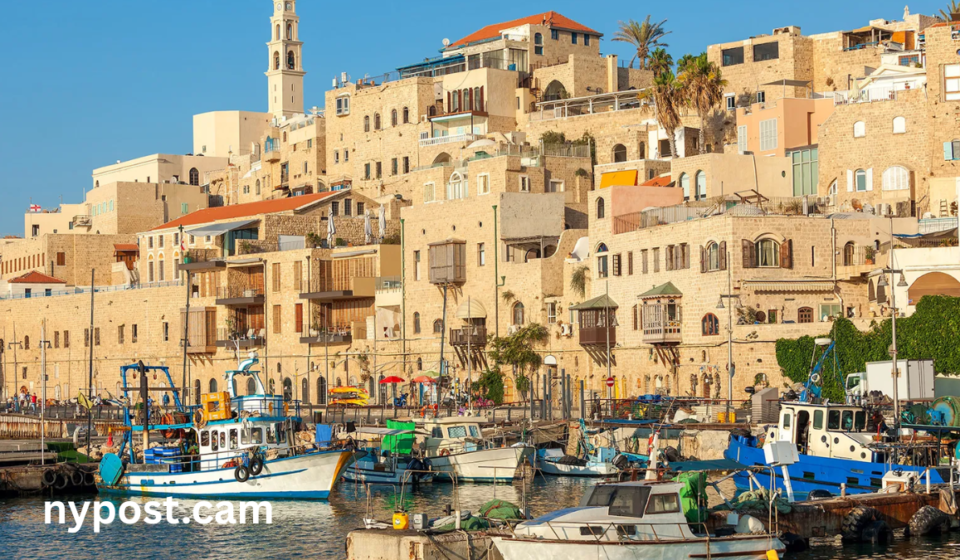
Modern life adds another layer. Tel Aviv developed as a modern city and is now associated with technology, design, restaurants, nightlife, and a long Mediterranean waterfront. Jaffa, directly beside it, provides a striking contrast with its ancient harbour history, old streets, galleries, and market atmosphere. Visiting both areas in the same day gives travellers a clear sense of how older and newer urban cultures can exist side by side.
Food, Markets, and Everyday Experiences
Food is an easy way to understand Israel beyond its major attractions. Local dining reflects influences from Jewish communities with roots in different parts of the world, alongside Arab, Mediterranean, Middle Eastern, and regional culinary traditions. Hummus, falafel, shakshuka, fresh salads, grilled meats, breads, pastries, and seasonal produce are common starting points, but the food scene extends far beyond the dishes most visitors already know.
Markets can be particularly rewarding for travellers who want a more informal experience. Instead of treating a market simply as a shopping stop, spend time observing how vendors present produce, spices, baked goods, coffee, sweets, and prepared foods. Jerusalem and Tel Aviv have well-known market areas, while smaller northern towns can provide a slower and more local atmosphere. Trying several small dishes can also be more memorable than planning every meal around formal restaurants.
Israeli cuisine also shows how food changes when people, traditions, and ingredients meet. A single meal might combine Mediterranean vegetables, Middle Eastern spices, European baking techniques, and ingredients popular throughout the wider region. For travellers, this makes eating part of the cultural experience rather than simply a practical necessity.
Planning a Comfortable Trip
Good planning can make a major difference when visiting Israel. Because the country is relatively compact, travellers sometimes assume everything can be covered in a few days. In practice, a slower itinerary is usually more comfortable. A week can provide a broad introduction, while a longer trip allows more time for the Galilee, Jerusalem, Tel Aviv, the Dead Sea, and the Negev.
Transportation depends heavily on the itinerary. Cities such as Jerusalem, Tel Aviv, and Haifa are connected by public transportation, while a rental car can provide greater flexibility in rural areas and desert regions. Travellers should also consider weekly schedules, opening hours, weather conditions, and local customs when organising day trips. These details are small, but they can prevent unnecessary delays.
Season matters as well. Spring and autumn are generally comfortable periods for combining city sightseeing with outdoor activities. Summer can be very hot, particularly in desert and low-lying areas, while winter brings different conditions between the wetter north and the drier south. Checking current conditions before hiking or driving into remote areas is a sensible habit.
Nature, Adventure, and Responsible Travel
For outdoor enthusiasts, Israel offers more than conventional sightseeing. Hiking routes range from green northern landscapes to dry desert trails, while the country’s geological formations provide excellent opportunities for photography and nature observation. The Negev, in particular, has long-distance views and dark skies that can make nighttime experiences memorable.
Responsible travel is especially important in natural and archaeological areas. Visitors should stay on marked trails where required, avoid removing rocks or artefacts, carry enough water for hikes, and follow instructions from park authorities. Desert environments can look calm while presenting serious heat and navigation risks, so preparation matters more than appearance.
Cultural respect is equally valuable. Dress expectations can vary between secular urban neighbourhoods and religious sites, and some communities observe specific weekly or religious practices that affect transportation and business hours. Learning a few local customs before arrival can make interactions smoother and show consideration for residents.
Why Israel Offers More Than a Checklist
The strongest reason to explore Israel is the variety packed into a relatively small geographic area. A traveller can begin with a coastal morning, explore a historic neighborhood in the afternoon, and finish the day with local food or a desert sunset. The country’s main destinations are well known, but the spaces between them often provide the most unexpected experiences. Exploring Israel this way also creates room for spontaneous discoveries.
The best itinerary also leaves room for curiosity. Instead of visiting every attraction simply because it appears on a list, travellers can choose a few places that match their interests and spend more time understanding them. Someone interested in history may prefer Jerusalem, Acre, and archaeological sites, while another traveller may focus on food, beaches, hiking, or contemporary city life.
Ultimately, Israel is best approached as a collection of landscapes, communities, traditions, and experiences rather than as a single type of destination. Its compact geography makes variety accessible, while its layered history gives even ordinary streets and markets a deeper sense of place. With sensible planning and an open-minded approach, a visit to Israel can become more than a sightseeing trip—it can become a genuine introduction to a fascinating part of the region.
FAQs
1. What is the best time to visit Israel?
Spring and autumn are often comfortable for combining city visits, outdoor activities, and regional travel. Weather varies considerably between the north, coast, and desert, so checking conditions for each destination is useful.
2. How many days are enough for a first visit?
Around seven days can provide a broad introduction, while ten to fourteen days allow a more relaxed itinerary covering major cities, northern landscapes, the Dead Sea, and desert areas.
3. Is public transportation available?
Yes. Major urban centres are connected by trains, buses, and other public transportation. A car can be more convenient for remote natural areas and parts of the Negev.
4. What food should visitors try?
Popular choices include hummus, falafel, shakshuka, fresh salads, grilled dishes, breads, pastries, and market foods. Exploring different regional and cultural influences can make the food experience especially rewarding.
5. What should hikers consider?
Water, weather, trail conditions, navigation, sun protection, and local safety guidance are important. Desert hikes require particular preparation because temperatures and conditions can change quickly.