


The Lindsay Clancy case has become one of the most closely followed criminal proceedings in Massachusetts because it involves the deaths of three young children, a mother’s severe mental-health struggles, and a difficult legal question about criminal responsibility. The case has also generated significant public discussion about postpartum mental illness and the challenges families can face when psychiatric symptoms become severe.
In January 2023, Cora, Dawson, and Callan Clancy died at their family home in Duxbury, Massachusetts. Their mother survived a suicide attempt after the incident and was subsequently charged with three counts of murder and other offences. She has acknowledged killing the children but has argued that she was not criminally responsible because of serious mental illness.
The legal story reached another major stage in September 2026 when the jury in the Lindsay Clancy trial could not reach a unanimous verdict. Judge William Sullivan declared a mistrial on September 4. As of September 24, 2026, the prosecution has not publicly announced whether it will seek another trial, while Clancy’s attorneys have asked the court to dismiss the charges.
The Events Leading Up to the 2023 Tragedy
The background of the Lindsay Clancy case extends several months before January 2023. According to testimony and court records discussed during the trial, Clancy experienced worsening anxiety, depression, insomnia, and other psychiatric symptoms after the birth of her third child, Callan, in May 2022.
During the months that followed, she sought professional treatment and was prescribed several psychiatric medications. Her defence later argued that the treatment she received failed to adequately address the seriousness of her condition and that medication changes contributed to a worsening psychiatric state. The prosecution presented the same period differently, emphasising evidence it said demonstrated planning and awareness.
Mental-health concerns became particularly serious toward the end of 2022. Testimony presented during the trial included accounts that Clancy had experienced suicidal thoughts and thoughts about harming her children. She also received inpatient psychiatric treatment before returning home. These details became central to the defense’s argument that her mental state deteriorated dramatically before the deaths.
The circumstances surrounding those months are important because the trial was not simply about whether the children died or whether Clancy was responsible for their deaths. She admitted causing their deaths. The central legal dispute concerned her mental state at the time and whether she could legally be held criminally responsible for her actions.
What Happened in Duxbury?
On January 24, 2023, emergency responders went to the family’s Duxbury home after receiving a report that a woman had fallen from a second-story window. Inside the residence, responders found three children who had suffered fatal injuries. Cora was five years old, Dawson was three, and Callan was eight months old.
According to prosecutors, Clancy killed the children while her husband, Patrick Clancy, was away from the house. She then attempted suicide by cutting her throat and jumping from a window. The fall caused severe spinal injuries and left her paralysed. The children were transported to hospitals, but all three ultimately died.
The Lindsay Clancy prosecution later presented evidence from the home, digital records, witness testimony, and medical experts. Prosecutors argued that certain actions before and during the incident showed planning and an understanding of what was happening. The defence challenged that interpretation, maintaining that Clancy was experiencing a severe psychiatric episode and could not properly understand the nature or wrongfulness of her actions.
Those competing interpretations became the foundation of the eventual trial. Rather than disputing every factual element of the incident, the defence concentrated heavily on criminal responsibility and the effects of postpartum psychiatric illness.
The Mental-Health Question at the Centre of the Trial
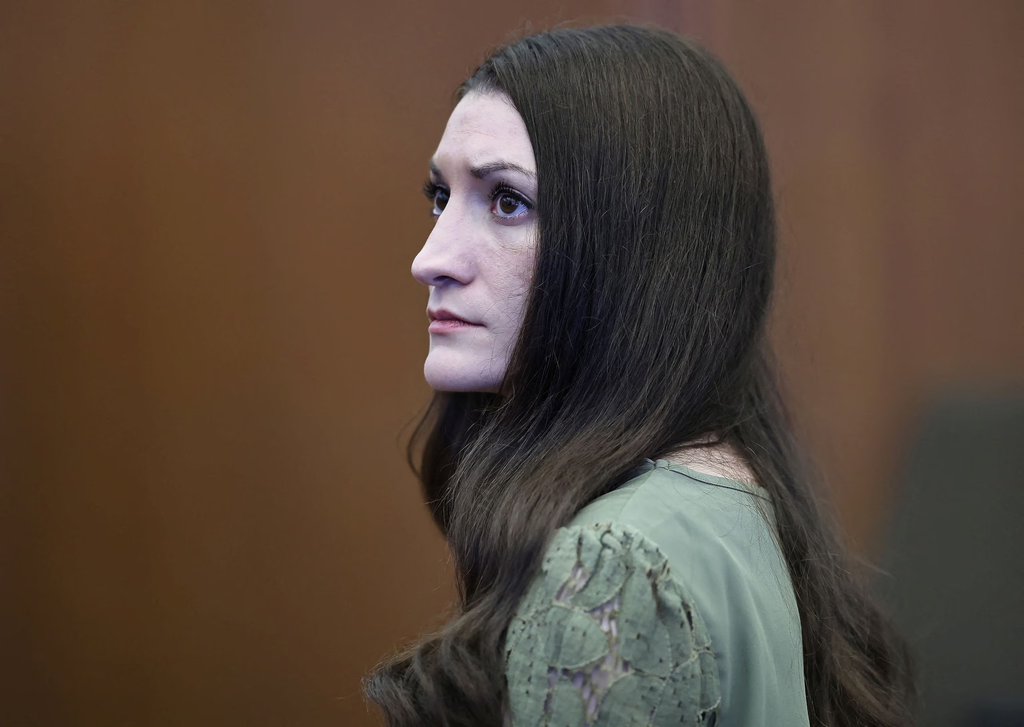
A major issue in the Lindsay Clancy trial was postpartum psychosis and the broader spectrum of serious mental-health conditions that can occur after childbirth. The defence argued that Clancy had developed a severe psychiatric disorder and that her condition prevented her from being criminally responsible.
The defence also presented evidence concerning her attempts to obtain treatment before the killings. Attorneys argued that medical providers did not adequately recognise or respond to the seriousness of her symptoms. Patrick Clancy testified about the deterioration he observed and supported the defense’s account of his former wife’s mental-health crisis.
Prosecutors offered a different interpretation. They argued that Clancy’s actions demonstrated planning and that she understood the wrongfulness of what she was doing. Evidence discussed at trial included phone notes, internet searches, and other digital information that prosecutors said supported their theory. The defence disputed the significance and interpretation of that evidence.
This distinction is important because mental illness by itself does not automatically determine criminal responsibility. Courts generally have to examine the person’s mental condition and its relationship to the legal standard being applied. In this case, jurors had to consider extensive psychiatric testimony alongside physical, digital, and eyewitness evidence.
What Happened During the Trial?
The Lindsay Clancy trial began in Massachusetts in July 2026 and lasted nearly six weeks. More than two dozen days of courtroom proceedings included testimony from family members, investigators, medical professionals, psychiatric experts, and other witnesses.
One particularly significant aspect of the proceedings was Patrick Clancy’s testimony. His account addressed the family’s life before the killings and the mental-health problems he observed. His testimony received substantial public attention because he has continued to speak about the importance of understanding severe perinatal mental illness rather than reducing the tragedy to simple explanations.
The prosecution and defence also presented sharply different interpretations of Clancy’s behaviour and medical history. Prosecutors emphasised evidence they believed demonstrated intent and preparation, while defence attorneys highlighted psychiatric symptoms, medication history, and previous attempts to obtain help.
After closing arguments, jurors deliberated for several days but ultimately reported that they could not reach the unanimous decision required. Judge William Sullivan declared a mistrial on September 4, 2026.
The Mistrial and Current Legal Status
The mistrial does not mean that Clancy was found guilty or not guilty. Instead, it means the jury was unable to reach the required unanimous verdict, leaving the criminal case unresolved.
Reports following the mistrial said the jury was divided 11-1, with one juror declining to support the defense’s position that Clancy was not criminally responsible. That juror, Michael Desronvil, has since publicly defended his position and said he believed the evidence supported the prosecution’s interpretation.
The Lindsay Clancy defence has subsequently challenged the conduct of the holdout juror. Her attorneys asked the judge to investigate allegations that the juror may have used a cellphone during deliberations and raised questions about information he provided during jury selection. The allegations remain matters for the court to address, and they should not be treated as facts.
Clancy’s attorneys have also filed a motion seeking dismissal of the charges rather than another trial. The prosecution’s position regarding a possible retrial remained unresolved as of September 24, 2026, with another court date scheduled for September 29.
Why the Case Has Attracted National Attention
The Lindsay Clancy story has received extensive attention because it combines several difficult subjects: criminal law, motherhood, suicide, postpartum mental illness, medical treatment, and the limits of personal responsibility during psychiatric emergencies.
The case has also generated wider conversations about perinatal mental-health care. Patrick Clancy has publicly criticised online conspiracy theories surrounding the deaths and has said that public discussion should focus more constructively on mental-health awareness and prevention.
At the same time, the intense online interest has produced ethical concerns. Recent reporting has documented social-media creators making money from commentary about the trial, illustrating how high-profile criminal cases can quickly become online content. This has raised questions about misinformation, sensationalism, and the treatment of grieving families in digital spaces.
For readers following the case, distinguishing confirmed court findings from allegations and commentary is particularly important. The criminal proceedings remain unresolved, and different sides have presented substantially different interpretations of the same evidence.
What Comes Next?
The next stage of the Lindsay Clancy case will depend on decisions by the court and prosecutors following the mistrial. A retrial is legally possible, but prosecutors had not publicly confirmed a new prosecution as of September 24, 2026.
Clancy remains in a state psychiatric facility while the legal process continues. Her attorneys are pursuing dismissal, while issues surrounding the jury and the mistrial may receive additional attention in court.
Whatever happens next, the case has already become an important example of how criminal courts handle complicated questions involving psychiatric illness. It also demonstrates why legal responsibility cannot always be understood simply by looking at the outcome of an event. Courts must consider evidence, applicable law, expert testimony, and the defendant’s mental state under the relevant legal standard.
For families and healthcare professionals, the broader discussion may ultimately extend beyond the courtroom. Severe postpartum psychiatric symptoms can require urgent professional attention, and public awareness can play a role in encouraging people to seek help earlier.
Frequently Asked Questions
1. Who is Lindsay Clancy?
Lindsay Clancy is a Massachusetts former labour and delivery nurse who was charged in connection with the deaths of her three children in Duxbury in January 2023. Her defence has argued that severe mental illness made her not criminally responsible.
2. What happened to the three children?
Cora, Dawson, and Callan Clancy died after suffering fatal asphyxia injuries at their family’s Duxbury home on January 24, 2023. Their deaths became the basis for the criminal charges against their mother.
3. Why was there a mistrial?
The jury in the 2026 trial was unable to reach a unanimous verdict after several days of deliberations. Judge William Sullivan therefore declared a mistrial on September 4, 2026.
4. Was Lindsay Clancy found guilty?
No. Lindsay Clancy was not found guilty or acquitted in the 2026 proceedings because the jury failed to reach a unanimous verdict. The mistrial left the criminal charges unresolved.
5. Will there be another trial?
A retrial remains legally possible, but prosecutors had not publicly announced a final decision as of September 24, 2026. Meanwhile, Clancy’s attorneys have filed a motion asking the court to dismiss the charges.