
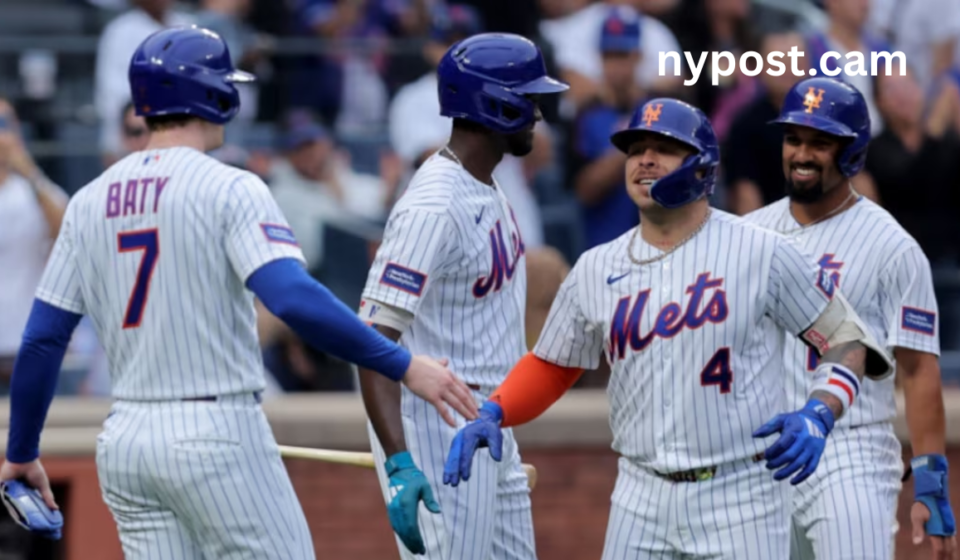

Baseball is a sport built on history, tradition, personalities, and unforgettable moments. Few teams capture those qualities quite like the Mets. Based in Queens, New York, the club has developed a passionate following since entering Major League Baseball in the early 1960s. Although the team has experienced both remarkable highs and difficult stretches, its identity has remained closely connected to New York’s distinctive sports culture.
The story of the Mets is more than a collection of scores and statistics. It includes championship celebrations, legendary players, dramatic seasons, loyal supporters, and generations of families sharing the game. That combination has helped make the organisation one of the most recognisable baseball franchises in the United States.
For new fans, understanding the team’s background provides a useful introduction to its place in professional baseball. For longtime supporters, its history explains why every season carries such emotional significance. From the ballpark atmosphere to the traditions surrounding game day, the Mets continue to represent an important part of New York baseball.
How the Mets Became Part of New York Baseball
The Mets were established in 1962 as an expansion franchise following the departure of the New York Giants and Brooklyn Dodgers from the city. The new club quickly became associated with the National League and provided New York baseball fans with another team to support. The early years were challenging, but the organisation gradually developed its own identity.
One of the most important chapters arrived in 1969. The team transformed from an expansion club into a championship contender and eventually won the World Series. That achievement remains one of the most memorable turnarounds in Major League Baseball history. It also demonstrated how quickly a developing roster could become a legitimate force when strong pitching, defence, teamwork, and confidence came together.
The Mets later experienced another extraordinary championship season in 1986. That team featured talented players and became famous for its competitive personality. The World Series victory over the Boston Red Sox created numerous memorable moments and strengthened the franchise’s connection with its supporters. The championship also became a defining part of New York baseball history.
What Makes the Team’s Fan Culture Special
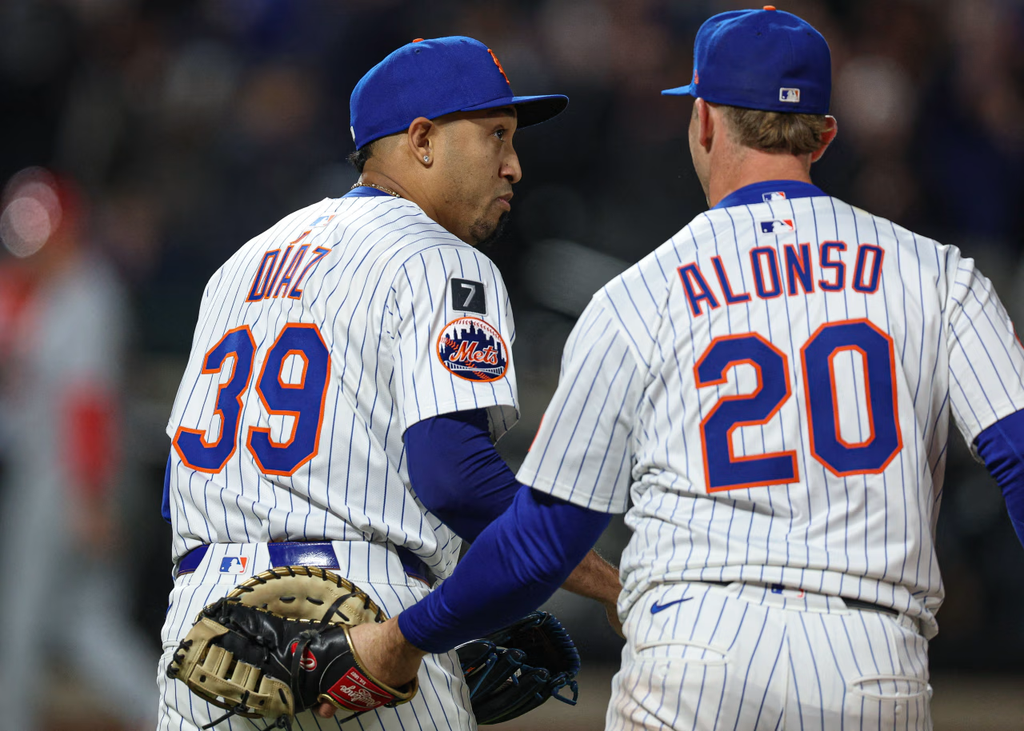
The Mets have cultivated a fan base that is deeply connected to the everyday experience of following baseball. Supporters often treat game day as more than a sporting event. It can involve family traditions, trips to the ballpark, conversations about the lineup, and memories built over several generations.
Citi Field, located in Queens, provides a modern home for those traditions. The stadium combines contemporary facilities with references to baseball history, creating an environment where longtime supporters and newer fans can enjoy the game together. A visit can include watching batting practice, trying different food options, exploring team history, and experiencing the energy of a live Major League Baseball game.
Another important part of the culture surrounding the Mets is the willingness of supporters to remain engaged through changing circumstances. Baseball seasons are long, and teams inevitably experience winning streaks, injuries, disappointing losses, and unexpected breakthroughs. That emotional journey is part of what makes following a baseball club so rewarding for dedicated fans.
Legendary Players Who Shaped the Franchise
Every successful baseball organisation eventually becomes associated with players who define particular eras. The Mets have had several stars whose performances left a lasting impression on the franchise and its supporters. Their contributions range from dominant pitching and powerful hitting to leadership and consistency.
Tom Seaver is perhaps the clearest example of a player who became closely identified with the team’s history. Known for his exceptional pitching ability, Seaver played a central role during the club’s rise in the late 1960s. His performances helped establish a winning standard and earned him a lasting place in baseball history.
Other notable figures have included pitchers, hitters, and position players from different generations. Players such as Mike Piazza became particularly important to the team’s identity during later periods. Piazza’s offensive production and memorable performances helped make him one of the most celebrated catchers of his generation.
Why Statistics Matter in Modern Baseball
Modern baseball has changed considerably because of analytics and advanced statistics. Fans can now examine information covering almost every aspect of a player’s performance. Traditional numbers such as batting average, home runs, runs batted in, wins, and earned run average remain useful, while newer measurements provide additional ways to evaluate players.
For the Mets, analytics can help the front office identify strengths and weaknesses across the roster. Teams increasingly examine factors such as on-base percentage, slugging, strikeout rates, defensive metrics, pitch velocity, and quality of contact. These measurements can influence decisions about player development, trades, free-agent acquisitions, and lineup construction.
Statistics, however, do not tell the entire story. Baseball contains situations that cannot always be captured by a single number. A clutch defensive play, a smart baserunning decision, or a pitcher escaping a difficult inning can influence a game dramatically. The best modern organisations generally combine statistical analysis with traditional scouting and baseball knowledge.
The Importance of Building for the Future
Long-term success in professional baseball requires more than signing established stars. Organisations need effective player development systems capable of producing talent for the major-league roster. Young players can provide affordable production while giving a team a foundation for future seasons.
The Mets have therefore faced the continuing challenge of balancing immediate competitiveness with long-term planning. A strong farm system can provide depth and create opportunities for promising players to reach the major leagues. At the same time, experienced veterans can provide leadership and stability during demanding seasons.
Successful roster construction is rarely simple. Injuries, contracts, player performance, and unexpected development can change a team’s plans quickly. This is why baseball organisations must remain flexible while maintaining a clear vision for how they want their roster to develop over several seasons.
Experiencing a Mets Game as a Fan
Watching the Mets in person offers something that television cannot fully reproduce. The sound of the crowd, the pace between pitches, the reaction to a big hit, and the atmosphere inside the stadium all contribute to the experience. Even a routine regular-season game can become a memorable event.
For visitors, planning can make the experience easier. Checking the schedule, selecting suitable seating, arriving early, and learning the stadium layout are simple steps that can improve a first visit. Fans may also want to explore the surrounding Queens area before or after the game.
Baseball is particularly well suited to social experiences because of its relaxed pace. Families can attend together, friends can talk between innings, and longtime supporters can share stories about previous seasons. That community atmosphere is one reason live baseball continues to attract audiences despite the growth of other forms of entertainment.
Looking Ahead to the Future
The future of the Mets will depend on several interconnected factors, including player development, roster construction, ownership decisions, coaching, health, and performance on the field. No single element guarantees success over a long baseball season. Teams must continually adapt as competition changes.
For supporters, the appeal comes partly from the uncertainty. Every new season creates another opportunity to see young players emerge, established stars reach new milestones, and unexpected moments become part of franchise history. Baseball’s long schedule also provides plenty of time for a team to respond to setbacks.
Ultimately, the Mets remain an important part of New York’s baseball landscape because their story combines tradition with constant change. Their history includes championships, legendary players, challenging periods, and passionate supporters. That mixture gives the franchise an identity that extends beyond individual seasons.
Frequently Asked Questions
1. When were the Mets founded?
The team began Major League Baseball play in 1962 as an expansion franchise representing New York in the National League.
2. How many World Series championships have the Mets won?
The club has won two World Series championships, in 1969 and 1986.
3. Where do the Mets play their home games?
The team plays its home games at Citi Field in Queens, New York.
4. Who is one of the most famous players in Mets history?
Tom Seaver is widely recognised as one of the most important players in franchise history because of his outstanding pitching and role in the team’s rise during the 1960s.
5. Why do baseball statistics matter?
Statistics help teams and fans evaluate player performance, identify strengths and weaknesses, and make more informed decisions about roster construction and strategy.