
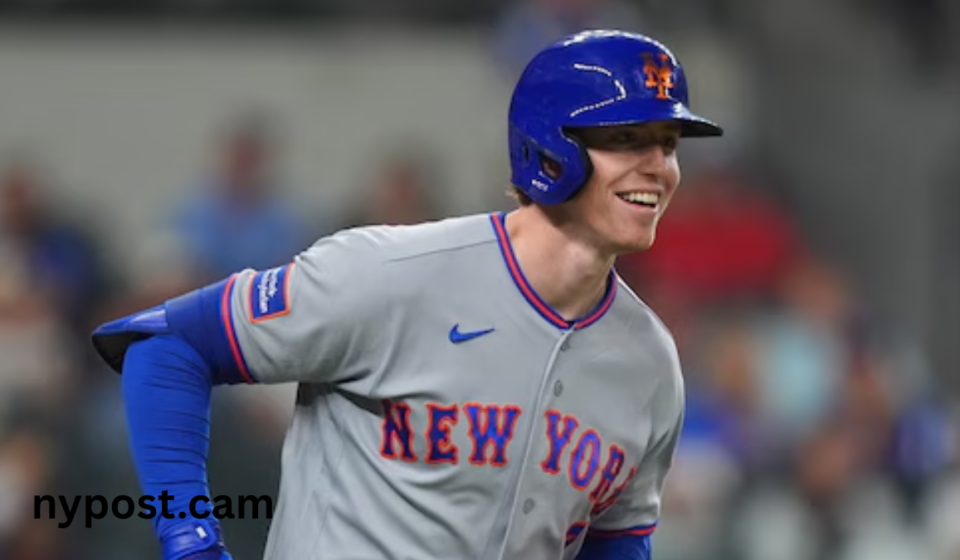

For generations of baseball fans, the New York Mets have represented more than a team. They are part of New York City’s sporting identity, carrying a history shaped by unforgettable stars, dramatic seasons, heartbreak, and moments of genuine brilliance. From the early days of the franchise to the modern era, the club has remained one of Major League Baseball’s most recognisable organisations.
The New York Mets play at Citi Field in Queens, where the atmosphere blends modern baseball with reminders of the franchise’s past. Fans arrive expecting more than a nine-inning game; they expect a story. That expectation helps explain why the club remains such a compelling subject for baseball followers across the country.
For the New York Mets, the challenge is always balancing immediate competitiveness with long-term planning. A season can change quickly in baseball, and the decisions made during an offseason can influence the organisation for years.
A Franchise Built on New York Baseball Culture
The New York Mets entered Major League Baseball in 1962 as an expansion club and gradually developed a distinct identity. The team’s history includes the remarkable 1969 championship, when the so-called “Miracle Mets” captured the imagination of baseball fans. That title established a tradition of unexpected success that remains central to the club’s story.
Another defining period arrived in 1986, when the New York Mets won the World Series behind a talented and memorable roster. Players such as Darryl Strawberry, Dwight Gooden, Keith Hernandez, and Gary Carter became closely associated with one of the most celebrated teams in franchise history. The season still receives attention because of its dramatic postseason and enduring place in New York sports history.
Over time, the club has produced and attracted many notable players. From Tom Seaver and Mike Piazza to David Wright and more recent stars, the New York Mets have repeatedly given fans players who became important figures in Queens and beyond. That connection between individual stars and the city is one reason the franchise continues to generate interest even during difficult seasons.
What Makes the Modern Mets Interesting
Today’s New York Mets operate in an era where baseball decisions increasingly combine traditional scouting with analytics, player development, sports science, and financial planning. Building a roster is no longer simply about signing recognisable names. Front offices must consider age, contracts, defensive value, pitching depth, minor-league development, and long-term flexibility.
The New York Mets also entered 2026 with significant expectations, but the season ultimately moved in a different direction. MLB reported that the club made seven notable trades around the 2026 Trade Deadline, sending out eight Major Leaguers while acquiring 12 prospects. Jefferson Rojas became the organisation’s top prospect after arriving from the Cubs. This kind of activity showed a clear emphasis on adding future talent while reshaping the roster.
For the New York Mets, that transition creates an interesting mix of established players and developing talent. The organisation’s 40-man roster includes veterans and younger players across the pitching staff, infield, catching group, and outfield. Francisco Lindor remains a major presence, while players such as Francisco Alvarez, Ronny Mauricio, Brett Baty, and other younger pieces represent different parts of the roster’s future.
The Importance of Player Development
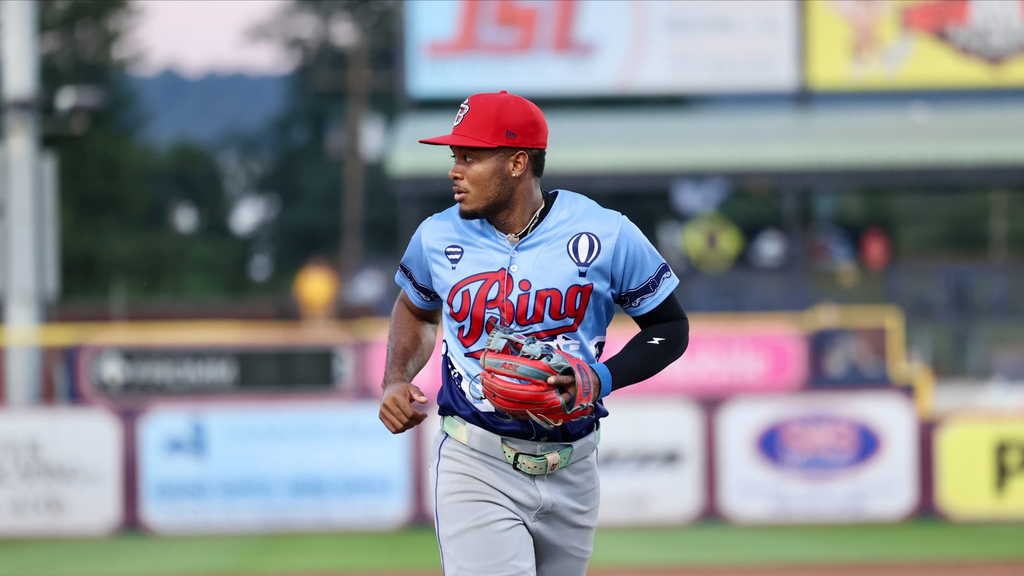
Player development has become one of the most important subjects surrounding the New York Mets. A strong farm system gives a club options when injuries occur, veterans become expensive, or trades become necessary. Prospects also provide cost-controlled talent, which can help an organisation build a balanced roster.
The New York Mets have recently shown a willingness to use trades to strengthen their prospect pool. At the 2026 deadline, the club added multiple prospects while moving several players who were approaching free agency or no longer fit its longer-term direction. That approach can give a franchise more flexibility, although developing prospects into reliable Major League contributors remains a difficult process.
For fans, following the New York Mets therefore means paying attention beyond the Major League lineup. Minor-league affiliates, prospect rankings, player development reports, and promotions can provide clues about what the organisation may look like in future seasons. A young player who performs well in the minors today could become an important part of tomorrow’s roster.
Citi Field and the Fan Experience
Citi Field is another important part of the New York Mets experience. Opened in 2009, the Queens ballpark was designed with baseball tradition in mind while offering modern amenities. Its location near Flushing Meadows gives visitors access to a broader New York experience, making a game part of a larger day in the city.
For many supporters, watching the New York Mets at Citi Field is about the atmosphere as much as the scoreboard. The sounds of the crowd, the pressure of late innings, and the traditions surrounding the ballpark create memories that statistics cannot fully capture. Baseball remains one of those sports where simply being in the stadium can change how a game feels.
The New York Mets also benefit from having one of baseball’s largest and most passionate metropolitan audiences. That attention creates pressure, but it also gives successful teams an enormous platform. Players who perform well in Queens can become household names, while disappointing stretches are analysed closely by fans and media.
What the Future Could Look Like
The New York Mets now face the kind of offseason questions that often define the direction of a franchise. Roster decisions, free agency, trades, prospect development, and coaching will all matter. After the 2026 season, the club did not reach the playoffs, making the next stage of roster construction particularly important.
Managerial leadership is also part of the story. Reuters reported on September 22, 2026, that Andy Green had the interim tag removed and signed a three-year contract after taking over during the season. That decision gives the organisation a defined managerial direction heading into the offseason.
For the New York Mets, the most interesting question is not simply which player will arrive next. It is how the organisation combines its established core with younger talent and makes its roster more sustainable. Baseball rarely rewards one-dimensional planning. A successful organisation usually needs depth, flexibility, reliable development, and enough star-level talent to compete over a long season.
Why the Mets Continue to Matter
The New York Mets remain important because their story reflects many of the qualities that make baseball compelling. There are no guarantees, and a roster that looks promising in March can look completely different by September. Injuries, trades, emerging players, slumps, and unexpected breakthroughs can reshape a season.
The New York Mets also occupy a distinctive place in the history of New York sports. Their championships, famous players, dramatic games, and loyal supporters have created a legacy that goes beyond any single roster. That history gives every new generation of players a standard to live up to and every new season a fresh narrative.
For anyone following the New York Mets, the best way to understand the club is to watch both the present and the future. The Major League team provides the immediate drama, while the farm system and front-office decisions reveal how the organisation is preparing for what comes next. That combination makes the franchise worth following year after year.
FAQs
1. When were the New York Mets founded?
The New York Mets began Major League play in 1962 as an expansion franchise.
2. Where do the Mets play home games?
The New York Mets play at Citi Field in the Flushing neighbourhood of Queens, New York City.
3. How many World Series titles have the Mets won?
The New York Mets have won two World Series championships, in 1969 and 1986.
4. Who is Francisco Lindor?
Francisco Lindor is a shortstop and one of the established stars associated with the New York Mets. He has been a central part of the club’s roster since joining the organisation.
5. Why is the farm system important?
A strong farm system gives the New York Mets additional young talent, roster depth, and potential trade assets while helping the organisation plan beyond a single season.